
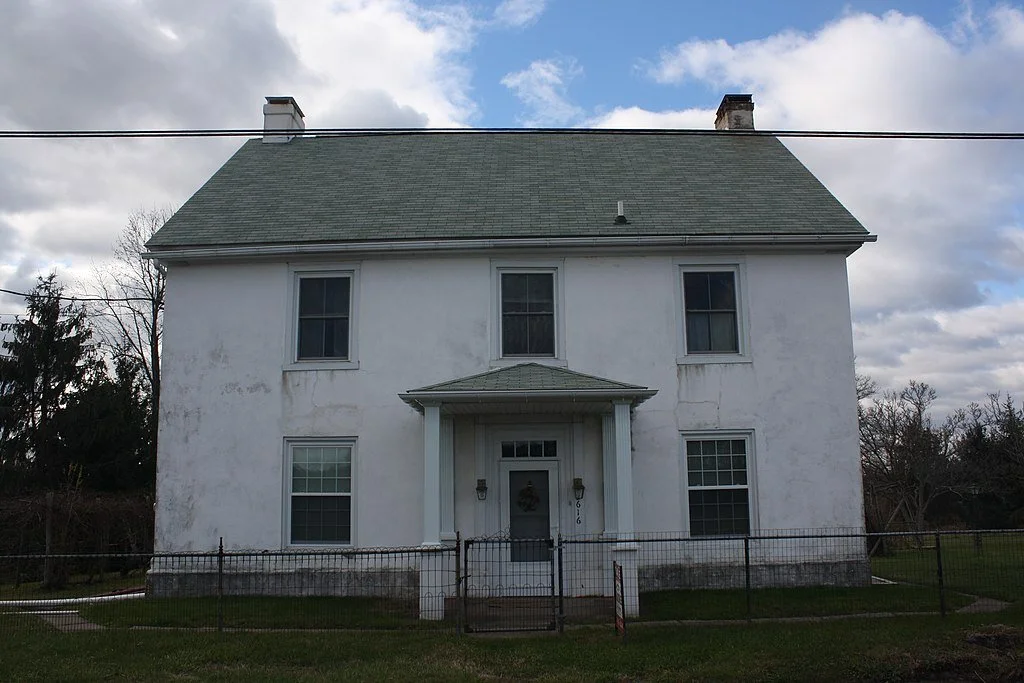
New Hanover
Long Meadow Farm Barn
Neighborhood Overview
On a summer evening in New Hanover Township, you’ll see kids playing in cul‑de‑sacs, neighbors chatting at the end of long driveways, and wide skies over fields and newer subdivisions. Living in New Hanover feels like classic rural‑suburban Montgomery County—more space and quieter roads than the inner suburbs, but close enough to Gilbertsville, Boyertown, and the 422 corridor that you’re not far from work or shopping.
New Hanover Township sits in northwestern Montgomery County and has been steadily growing over the past two decades. The 2020 Census recorded a population of about 13,040 residents, and 2024–2026 estimates put the township around 13,650–13,725 people, growing roughly 0.5–0.6% per year in recent years. In my day‑to‑day work with buyers here, I describe New Hanover as a good match if you want a mix of newer homes and country feel, with access to Boyertown Area schools and a reasonable commute toward 422 and King of Prussia.
If you’re asking, “Is New Hanover a good place to live?”, many residents choose it for its rural character, newer housing stock, and balance between quiet neighborhoods and proximity to larger job hubs.
Lifestyle and Local Highlights
Life in New Hanover is centered around home, local parks, and quick trips to nearby towns for errands and dining.
Some lifestyle highlights:
Rural‑suburban feel. The township has a mix of farmland, wooded areas, and residential neighborhoods, which gives it more open, green views than denser parts of Montgomery County.
Everyday conveniences nearby. Residents typically head to Gilbertsville, Boyertown, and Limerick/422 for grocery stores, restaurants, and shopping centers, keeping bigger‑box errands close without heavy commercial build‑out inside the township.
Parks and recreation. Township and nearby parks offer fields, playgrounds, and open space for sports and outdoor time, and the broader region provides easy access to trails and countryside recreation.
Community feel. Slow but steady growth has brought in new neighbors while maintaining a township feel—more “small community” than large suburb, with many long‑term residents.
What surprises many buyers is how quickly you can go from quiet streets and larger yards in New Hanover to busier commercial corridors along 422 and in surrounding towns—you get the quieter home base without feeling far removed from daily necessities.
Housing and Architecture
If you’re wondering, “What types of homes are in New Hanover?”, expect primarily single‑family homes, with a mix of older properties, mid‑2000s construction, and newer developments, plus some townhomes.
On the ground, New Hanover Township real estate generally looks like:
Detached single‑family homes. Traditional two‑story homes, colonials, and ranches are common, many with garages, basements, and larger lots than you’ll see in inner suburbs.
Newer subdivisions. Growth over the past 20+ years has added small to mid‑size subdivisions with sidewalks, cul‑de‑sacs, and modern floor plans.
Townhomes and attached homes. Some communities include townhomes that offer lower‑maintenance options and more affordable entry points into the township.
Recent data provides a snapshot of housing costs and mix:
Niche lists the median home value in New Hanover around $405,800, with roughly 47% of homes valued between $400,000–$749,000 and about 43% between $200,000–$399,000, illustrating a strong mid‑ to upper‑mid price segment.
Median rent is reported around $1,243, with the area characterized as “rural” in overall feel.
In my experience helping buyers with homes for sale in New Hanover, the real choices are often between newer development homes with HOAs and slightly smaller yards, versus older properties on larger lots that may need more updating—your comfort with projects and preference for neighborhood style drive that decision.
Commuting and Location
New Hanover offers a country‑leaning lifestyle with workable commutes to major job centers in Montgomery and Berks Counties.
Key commuting and location notes:
Road access. Residents typically use local roads toward Route 73, Route 663, and the 422 corridor, connecting to Limerick, Pottstown, Collegeville, and King of Prussia.
Nearby employment hubs. Many people living in New Hanover commute to work in Boyertown, Pottstown, Limerick/422, or farther into King of Prussia and the greater Philadelphia metro.
Car‑centric lifestyle. There is no Regional Rail station in the township; most commuting and errands are done by car, with some residents using nearby stations in other towns when needed.
For buyers, this usually looks like a lifestyle where you enjoy quieter streets and more space at home while planning for a car‑based commute and drives for dining and shopping.
How did New Hanover get its name?
During the early 18th century, the British throne was occupied by the Hanoverian dynasty, whose members hailed from the German House of Hanover. This period saw a widespread acknowledgment of the House of Hanover's rule, and many places in the American colonies were named in honor of this influential house.
Naming the Township: In the spirit of honoring the reigning House of Hanover, the settlers chose to name their burgeoning township "New Hanover." This decision not only reflected the settlers' respect for the ruling monarchy but also served as a symbol of the community's ties to their German heritage.
Evolution of New Hanover: Over the centuries, New Hanover has evolved into a thriving community, blending its historical roots with modern amenities. The name, once chosen to pay homage to a European monarchy, now stands as a testament to the enduring spirit of the people who have called this township home for generations.
The name "New Hanover" carries with it a rich tapestry of history, reflecting the aspirations and connections of the early settlers to both their German heritage and the prevailing political landscape. As we stroll through the streets of New Hanover today, we can appreciate the legacy left by those who chose a name that has stood the test of time, linking past and present in this picturesque corner of Montgomery County, Pennsylvania.
Living in New Hanover, PA
Is New Hanover a nice place to live?
New Hanover takes pride in its strong sense of community. Residents often find themselves engaged in various local events, festivals, and gatherings, fostering a tight-knit bond among neighbors. The friendly and welcoming atmosphere contributes to a sense of belonging, making it an ideal place for families and individuals alike.
For those who appreciate the great outdoors, New Hanover offers easy access to nature reserves, parks, and hiking trails. Whether it's a leisurely walk through the New Hanover Recreation Center or exploring the Perkiomen Trail, outdoor enthusiasts will find plenty to enjoy in this area.
Parents considering a move to New Hanover can take comfort in the area's reputable school system. Quality education is a priority, with dedicated teachers and a focus on student success. Families looking for a place where their children can thrive academically will find New Hanover to be a welcoming choice.
Despite its rural feel, New Hanover is conveniently located near major transportation routes, providing easy access to nearby cities and amenities. Residents can enjoy the tranquility of their community while still being within reach of shopping centers, dining options, and cultural attractions.
Call The Shaina McAndrews Team to discuss moving to New Hanover.
Things to do in New Hanover
New Hanover Community Park
Poco Loco Paintball
New Hanover Real estate Market
2025 Housing Market Snapshot
Buyers often ask, “How is the housing market in New Hanover?” While township‑specific monthly stats are limited, 2025 data and regional indicators paint a clear picture of a strong, seller‑leaning market with moderate price growth.
Key 2025 signals:
Statewide, the Pennsylvania Association of Realtors reported a median sales price around $295,000 in April 2025, up 7.2% year over year, showing continued upward pressure on home prices.
New Hanover’s median home value around $405,800 and price distribution (with nearly half of homes in the $400,000–$749,000 range) suggest local values are well above statewide medians, reflecting suburban demand and larger, newer homes.
Population data shows a steady increase over the last two decades, with the township adding more than 6,000 residents between 2000 and 2023, which supports housing demand.
In practice, this meant:
For buyers: 2025 felt competitive. Properly priced homes—especially updated 3‑ and 4‑bedroom properties in popular neighborhoods—could attract quick interest, and you often needed to be pre‑approved and decisive.
For sellers: Limited inventory and steady demand generally favored you, but buyers were watching condition and pricing closely and comparing your home to similar properties across New Hanover and neighboring markets.
Real‑life takeaway: 2025 in New Hanover felt like a solid seller‑leaning market where buyers needed a plan and sellers who priced strategically and prepared their homes well were rewarded.
2026 Housing Market Outlook
Heading into 2026, New Hanover’s housing market is expected to remain stable to moderately appreciating, with sellers still holding meaningful leverage but buyers gaining a bit more breathing room compared to peak bidding‑war years.
Current indicators suggest:
World Population Review and census estimates show continued but modest population growth, keeping a steady base of local housing demand.
Statewide reports point to continued, though more moderate, price gains in 2026, with some regions seeing low‑single‑digit appreciation as mortgage rates ease slightly and inventory improves.
In suburban and rural‑suburban areas similar to New Hanover, forecasts describe 2026 as a more balanced but still competitive environment: more listings than in prior years, but not enough to flip the market fully in favor of buyers.
For buyers, this shows up as a market where you may see a bit more selection and slightly less frantic competition, but still need to be realistic about pricing and ready to move quickly on well‑priced homes. For sellers, the opportunity is to price in line with up‑to‑date New Hanover comps, lean into condition and presentation, and recognize that 2026 buyers are value‑focused even when inventory is limited.
Real‑life takeaway: 2026 in New Hanover is shaping up as a steady, data‑driven market—buyers and sellers who base decisions on current numbers, not just headlines, are likely to feel most confident at closing.
Who New Hanover Is Great For
When I walk clients through New Hanover and nearby areas, several buyer types tend to connect with the township right away.
New Hanover Township is often a great fit for:
Buyers who want space and newer homes. If you like larger lots and modern floor plans, but don’t want to be far from main roads and job centers, New Hanover usually checks those boxes.
People comfortable driving for most errands. Residents who see a short drive to groceries, restaurants, and shopping as a fair trade for a quieter home base tend to be happiest here.
Households targeting Boyertown Area School District. Families who want BASD and prefer a rural‑suburban feel over denser subdivisions often keep New Hanover on their short list.
Long‑term planners. Buyers thinking in 5‑ to 10‑year horizons, who are open to gradually updating or customizing a home and property, often find strong value compared with some closer‑in suburbs.
If your ideal day includes hearing more birds than traffic, having room in the yard for kids, pets, or projects, and driving a bit for shopping and dining, living in New Hanover Township may line up well with your lifestyle.
Buying a Home in New Hanover
Buying a home in New Hanover is about matching neighborhood type, lot size, and commute in a market that has limited inventory but steady demand.
When I help clients with homes for sale in New Hanover Township, we usually focus on:
Neighborhood style and lot. We compare more established areas versus newer subdivisions, and look carefully at how each property sits on its lot—yard usability, privacy, and what it backs to.
Home age and systems. Many homes are not brand‑new; understanding the age of the roof, HVAC, windows, and, where applicable, well and septic systems is critical for realistic budgeting.
Commute and routine. We map your actual drives to work, school, and frequent destinations to make sure life in New Hanover will work with your weekday schedule.
Offer strategy in a competitive market. With limited sales and active listings, we rely heavily on the freshest New Hanover and nearby comps, adjusting for size, condition, and lot to craft strong, comfortable offers.
Common questions buyers ask include:
“How is the housing market in New Hanover?” Generally strong and seller‑leaning, with moderate price growth and continued demand, especially in popular neighborhoods.
“What types of homes are in New Hanover?” Mainly single‑family detached homes, plus some townhomes, in a mix of older and newer neighborhoods on larger lots.
“Is buying a home in New Hanover smart if I work along 422 or in King of Prussia?” For many buyers, yes—if you’re comfortable with a car‑based commute, the balance of space, newer housing, and price can make sense.
If you’re early in your search, an honest conversation about your commute tolerance, renovation comfort level, and priorities around land versus updates can make it much easier to recognize the right New Hanover home when it becomes available.
Schools in New Hanover
New Hanover Township is served by the Boyertown Area School District (BASD), which spans parts of Berks and Montgomery Counties. According to district information, BASD operates multiple elementary schools, two middle schools, and one senior high school.
Publicly available information shows:
BASD elementary schools include New Hanover‑Upper Frederick Elementary School, as well as Boyertown, Colebrookdale, Earl, Gilbertsville, and Washington Elementary Schools.
The district’s secondary schools are Boyertown Area Middle School‑East, Boyertown Area Middle School‑West, and Boyertown Area Senior High School.
MapQuest notes that New Hanover Elementary serves more than 700 students in kindergarten through grade six, offering core academics plus art, physical education, technology, and music, and operating a parent‑teacher‑child association.
Families can research schools using:
The Boyertown Area School District website for official information on attendance boundaries, programs, and enrollment.
GreatSchools.org for school profiles, test score data, and parent reviews.
Niche.com for district‑level and school‑level snapshots, including academics, student experiences, and community feedback.
According to sources such as Niche and district profiles, BASD serves a broad, largely suburban and rural area with a variety of academic and extracurricular programs. Because school fit is personal and boundaries can change, families considering living in New Hanover should verify school assignments directly with Boyertown Area School District, review data from district resources, GreatSchools, and Niche, and visit schools in person to decide which options align with their needs.
New Hanover HISTORY
The roots of New Hanover Township can be traced back to the early 18th century when European settlers began to establish homesteads in the area. The township, officially founded in 1729, became a hub for agriculture and commerce. The fertile soil of the region attracted farmers, and mills were erected along the Perkiomen Creek, contributing to the growth of the local economy.
During the Revolutionary War, New Hanover Township played a crucial role in the fight for independence. The community was not only a strategic location but also witnessed significant events and contributions from its residents. The spirit of patriotism ran deep, and many locals joined the Continental Army, leaving an indelible mark on the township's history.
As the 19th century unfolded, New Hanover Township underwent significant changes with the advent of the Industrial Revolution. Mills and factories sprang up, harnessing the power of the waterways to drive machinery. The expansion of transportation infrastructure, including the arrival of railroads, further fueled economic growth and connectivity.
Beyond its economic contributions, New Hanover Township boasts a vibrant cultural heritage. Churches, schools, and community organizations played pivotal roles in shaping the social fabric of the township. The traditions, festivals, and close-knit community bonds continue to be cherished by residents, creating a sense of continuity with the past.
As we transition into the 20th and 21st centuries, New Hanover Township has witnessed both progress and challenges. Urbanization, technological advancements, and demographic shifts have brought about changes, but the township remains resilient, holding onto its historical identity while adapting to the evolving needs of its residents.
Efforts to preserve the historical sites, documents, and stories of New Hanover Township are ongoing. Historical societies, local museums, and passionate individuals work tirelessly to ensure that the legacy of the township is passed down to future generations. Exploring these preserved elements allows us to connect with the past and appreciate the journey that has shaped New Hanover Township into what it is today.
New Hanover Community Events
New Hanover Township Farmers' Market: Kickstarting our list is the beloved Farmers' Market, a hub of local produce, artisanal crafts, and lively conversations. Every Saturday, residents gather to support local farmers and entrepreneurs, creating a vibrant marketplace that encapsulates the essence of community collaboration.
New Hanover Township Family Fun Run: Calling all fitness enthusiasts and families alike! The Family Fun Run is a fantastic way to promote a healthy lifestyle while fostering a sense of camaraderie. Participants of all ages can lace up their sneakers, hit the pavement, and enjoy a morning of fitness, fun, and community spirit.
Holidays’ event- Pictures with Santa, Halloween Haunt.
New Hanover RESOURCES for residents
New Hanover Twp Fire And Rescue
Ask us about renting, buying, and selling property in New Hanover, PA.
Work With a Local Expert
Whether you’re just starting to explore living in New Hanover or you’re hoping to buy or sell here this year, you don’t have to figure out the market alone. Even a short, focused conversation can give you clarity on timing, pricing, and what’s realistic in this specific township.
As a local real estate professional working throughout northwestern Montgomery County, Shaina McAndrews helps buyers and sellers make sense of growing, rural‑suburban markets like New Hanover. When I work with sellers here, we dig into the most recent township and nearby comps, your home’s condition and lot, and your timeline to build a pricing and preparation plan tailored to this market—not just a generic county‑wide script.
You have two simple, low‑pressure next steps:
Quick call for buyers and sellers
Schedule a brief, focused call here:
On this call, you can:Get a clear read on the current New Hanover Township housing market.
Talk through your goals, budget, commute, and timing.
Leave with a straightforward next‑step plan—whether that means prepping to list, watching for specific types of homes for sale in New Hanover, or just getting your questions answered for the future.
Home value report for New Hanover homeowners
If you already own in New Hanover and are curious what your home might sell for, request a detailed value report here:
This report looks at recent local sales, active and pending competition, and your home’s size, condition, and lot to give you a realistic value range and clear options—whether you’re considering selling soon or just planning ahead.
If you’re exploring New Hanover Township real estate, comparing living in New Hanov
er to nearby towns, or seriously considering buying or selling here, connecting with Shaina McAndrews, realtor, is the easiest way to get specific, honest guidance tailored to you—without any pressure to move faster than you’re ready.